
Hello.
I am Dr. Cho Hyuk-chan, Director of Cleor Clinic Uijeongbu Branch.
One of the questions I am asked most frequently in the consultation room is this:
"How is this different from a filler?"
Since both are injected and both involve the face, they are often compared side-by-side,
but in reality, they are different categories rather than direct points of comparison.
The more you look into it, the more confusing the names can become.
Even among items grouped in the same category, properties differ depending on the ingredients used,
so it is more accurate to look at the ingredient family rather than the name.
Today, I will explain in order how Uijeongbu collagen boosters differ from fillers,
how ingredients that induce collagen production are generally categorized,
and which items are offered at our Uijeongbu branch.
What is a Uijeongbu collagen booster?
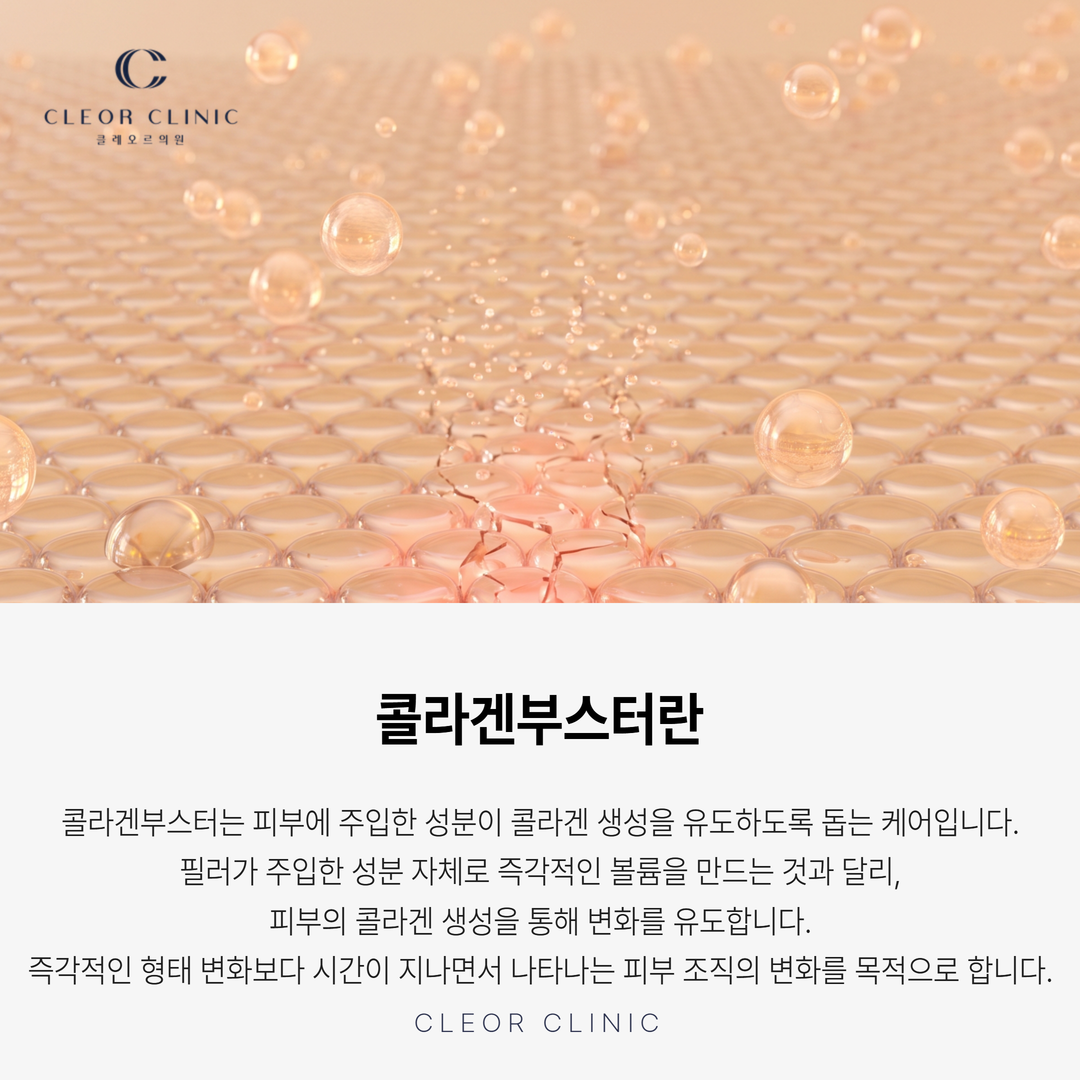
👉 A Uijeongbu collagen booster is not a method where the injected ingredient itself occupies space to create volume,
but rather a type of treatment that induces the skin to produce its own collagen while the ingredient is being broken down in the body.
This is where it differs from fillers.
Hyaluronic acid fillers create volume on the spot as the ingredient itself attracts and holds water.
A shape is formed the moment it is injected, and that shape is maintained by the injected material.
On the other hand, ingredients grouped as collagen boosters are not substances that hold water to create volume on their own.
As the body recognizes and processes the ingredients settled in the dermis,
the cells that build tissue react, and the collagen produced by those cells creates the actual change.
Therefore, the chronological order is also reversed.
With fillers, the injected material gradually decreases over time,
while with collagen boosters, your own tissue increases while the injected material disappears.
This is why it is not an item you check in the mirror immediately on the day of the procedure, and it is more accurate to understand that the target and nature of the treatment are different, rather than saying one is better than the other.
Strengths of Uijeongbu collagen booster
👉 It induces the accumulation of your own collagen without leaving behind external substances.
Properties can be divided according to the ingredient family, and the foundation of the skin itself is the target.
First, what remains in that spot after time passes is your own tissue.
The biodegradable polymers used in this category are materials made of long chains of unit molecules that the body already handles, such as lactic acid or caprolactone.
Therefore, as time passes, they are broken down into those unit molecules and processed through normal metabolic pathways,
leaving no external substances in the body.
What remains is the collagen produced by fibroblasts during that process, which is different in nature from structures that leave behind a foreign body sensation.
Second, you can choose based on properties that vary by ingredient family.
Even within the same category of collagen production induction, the chain structure, degradation speed, and the shape of the microparticles produced differ depending on the polymer used.
For example, lactic acid has two forms: L-type and D-type.
If you form a chain using only one type, the arrangement is regular,
but if you mix the two types, the arrangement becomes less regular.
This difference in structure leads to differences in how it is broken down in the body.
Third, it targets the foundation, not the surface.
Collagen in topical products has large molecules that remain on the skin surface,
and the collagen applied to the surface does not become collagen in the dermis.
This type of treatment does not inject collagen itself but sends signals to the cells that produce collagen, so the approach is completely different from surface-level care.
The principle of how collagen boosters work
👉 The body uses the process of clearing the injected ingredients as a signal for collagen production.
The injected biodegradable polymer microparticles settle in the dermis.
The body recognizes these microparticles as non-self and begins a clearing reaction,
with macrophages gathering around the microparticles to gradually process them.
This clearing process does not end in a day or two but continues over a long period.
While the clearing reaction is in progress, signals are transmitted to surrounding tissues,
and fibroblasts that produce collagen increase their activity.
The newly produced collagen is added to the mesh-like structure in the dermis
and becomes a foundation that supports the surface.
This process is the actual meaning of the statement that tissue increases while the ingredient disappears.
Because of this sequence, the management method follows suit.
The speed at which cells produce collagen varies from person to person depending on age and skin condition,
and it is not a process that ends with a single reaction.
Therefore, we approach it by scheduling sessions at intervals and planning the next step after checking the state of the foundation each time.
Procedure and Composition
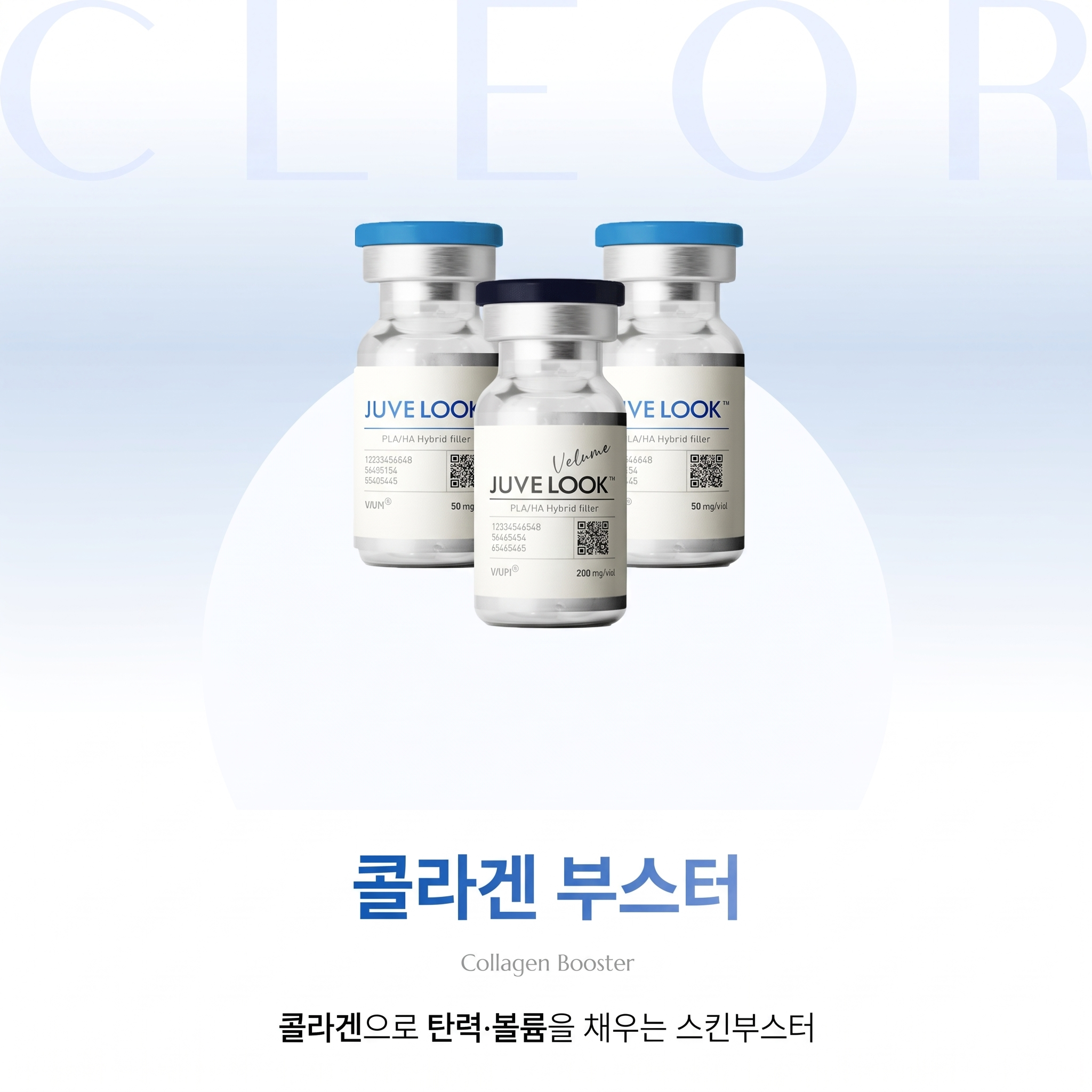
👉 The collagen booster at Cleor Clinic Uijeongbu Branch is centered on a 3cc Juvelook Volume configuration and is performed via injection.
This type is not an item that uses equipment to deliver energy, but rather induces collagen production as the body processes the biodegradable polymers left in the skin.
Therefore, the criteria for distinguishing configurations are which ingredient family is used and the amount used at one time.
The Juvelook line uses PDLLA,
and the collagen booster at Cleor Clinic Uijeongbu Branch is operated using this family.
We also carry other family items that share the goal of strengthening the foundation,
so we determine which one to prioritize.
Since the change is not a structure that is completed on the day of injection but one that accumulates over time,
it is appropriate to manage it by dividing sessions and intervals.
There are individual differences in the degree of sensation and the timing of results.
Who should consider collagen injections?
Those looking for a way to strengthen the foundation rather than a method that creates a shape immediately
Those who prefer a structure that does not leave external substances behind
Those who feel their skin has become generally thin and lacks elasticity
Those who were curious about areas that topical collagen products cannot reach
Those who are comfortable with a management plan that involves multiple sessions over time
Types of Uijeongbu collagen boosters
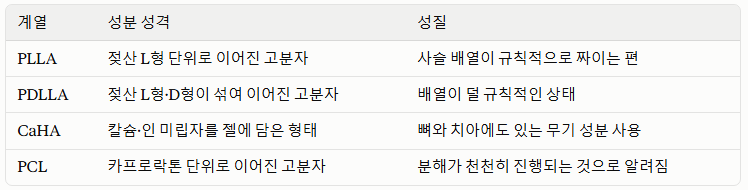
👉 Ingredients that induce collagen production are categorized according to the polymer or inorganic substance used, and each family has different properties.
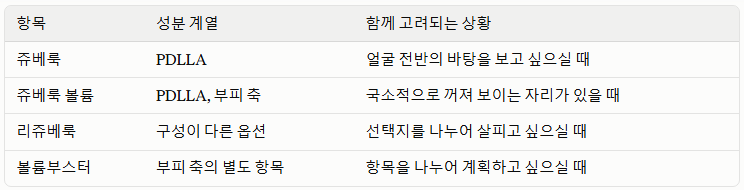
Among these, the collagen booster operated at Cleor Clinic Uijeongbu Branch is Juvelook, which is in the PDLLA family.
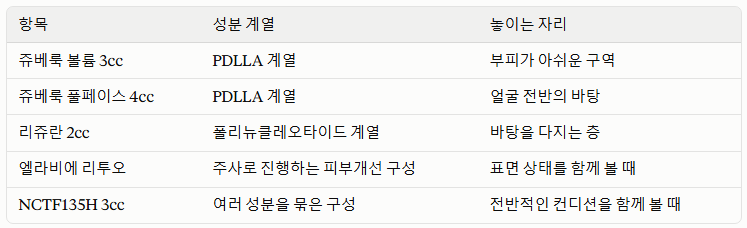
The table above introduces how collagen-inducing ingredients are generally classified,
and it does not mean that the Uijeongbu branch possesses all the families listed in the table.
The items currently operated at the Uijeongbu branch are summarized below.
Which item is suitable depends on skin thickness, the state of the foundation,
and the treatments you have received in the past, so we determine the direction after checking your condition during the consultation.
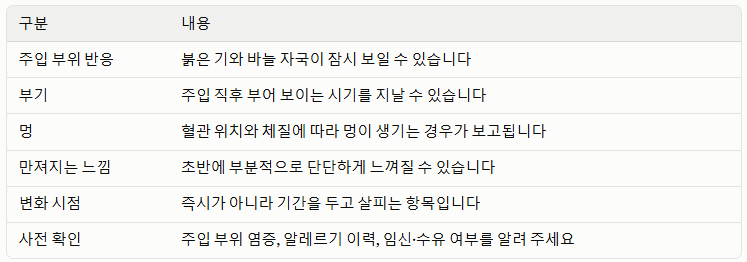
Reactions that may occur and points to note
👉 Points to note concern the reaction immediately after injection and the nature of the changes appearing over time.
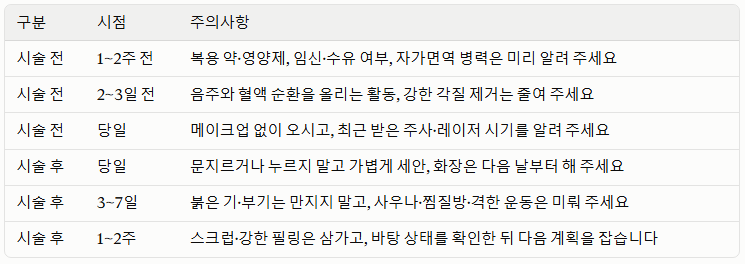
⚠️ Precautions before and after the procedure
❓ Frequently Asked Questions (FAQ)
Q. How is it different from a filler?
A. The category is different.
Hyaluronic acid fillers create volume on the spot as the ingredient itself holds water,
but collagen boosters are a method that induces the skin to produce its own
collagen while the injected ingredient is being broken down.
It is not a structure where the injected material remains to maintain a shape.
Q. What family of ingredients is used?
A. Collagen-inducing ingredients are generally classified into PLLA, PDLLA, CaHA,
PCL, etc., and each family has a different chain structure and degradation pattern.
The collagen booster operated at the Uijeongbu branch is Juvelook, which is in the PDLLA family.
Q. Does the injected ingredient remain in the body?
A. It does not remain.
Biodegradable polymers are broken down into unit molecules like lactic acid and processed through normal metabolic pathways,
and what remains in that spot is the collagen produced by the body during that time.
Q. When will I start to feel a difference?
A. Because it follows the speed at which cells produce collagen,
it is difficult to specify a time, and there are individual differences.
We plan the next steps while checking the state of the foundation over a period of time.
Q. How is it different from topical collagen products?
A. Collagen in topical products has large molecules that remain on the surface,
and the collagen applied to the surface does not become collagen in the dermis.
This item is not a method of injecting collagen but a method of sending
signals to the cells that produce collagen, so the approach is different.
Q. Is it okay to receive it just once?
A. It takes time for collagen to be produced and accumulated, and it is not a process that
concludes with a single reaction, so it is natural to manage it by continuing at intervals and observing the condition.
The interval is determined according to the skin condition.
Collagen boosters are not items where the injected material occupies space to create a shape,
but items that induce fibroblasts to produce collagen by using the process of biodegradable ingredients being cleared in the body as a signal.
The ingredients are broken down into unit molecules and processed, and the structure is one where your own collagen remains,
and the chain structure and degradation pattern vary depending on the family.
The collagen booster operated at the Uijeongbu branch is Juvelook, which is in the PDLLA family,
and which item is right for you depends on your skin thickness and the state of your foundation.
At Cleor Clinic Uijeongbu Branch, we perform not only collagen boosters like Juvelook
but also skin boosters such as Rejuran and Letuo.
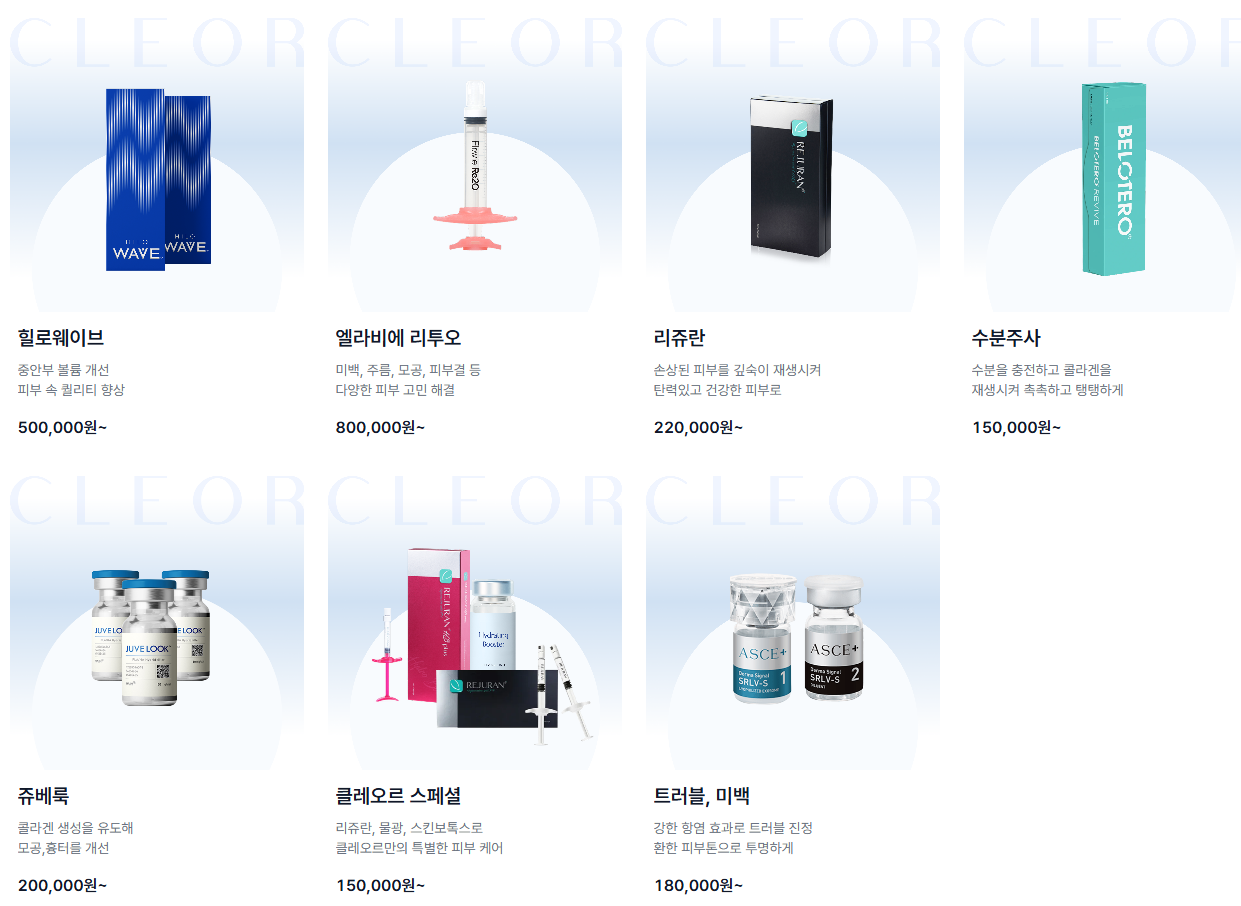
At Cleor Clinic Uijeongbu Branch, we check these parts directly during the consultation.
We also operate items with different characteristics within the same category, such as Juvelook Volume or Rejuvelook, so you can examine them separately.
If you are still not clear on how it differs from a filler,
please feel free to have a conversation with us.
※ This content is for general information purposes, and changes may vary by individual.
Please determine the exact diagnosis and whether to proceed with the procedure through a consultation with a specialist.
어느 항목이 맞는지는 피부 두께와 바탕 상태에 따라 달라집니다.
클레오르 의정부점에서는 쥬베룩과 같은 콜라겐 부스터뿐만 아니라
리쥬란, 리투오 등의 스킨부스터를 함께 진행하고 있습니다.
클레오르의원 의정부점에서는 이런 부분을 상담 시 직접 확인해 드립니다.
쥬베룩 볼륨이나 리쥬베룩처럼 같은 종류 안에서
성격이 다른 항목도 운영하고 있어 나누어 살피실 수 있습니다.
필러와 무엇이 다른지 정리가 잘 되지 않으셨다면,
편하게 한 번 이야기 나눠보셔도 좋겠습니다.
※ 본 내용은 일반적인 정보 제공을 위한 글이며, 개인에 따라 나타나는 변화는 달라질 수 있습니다.
정확한 진단과 시술 여부는 전문의 상담을 통해 판단하시기 바랍니다.